cataract
Cataract – Intraocular Lens Treatments
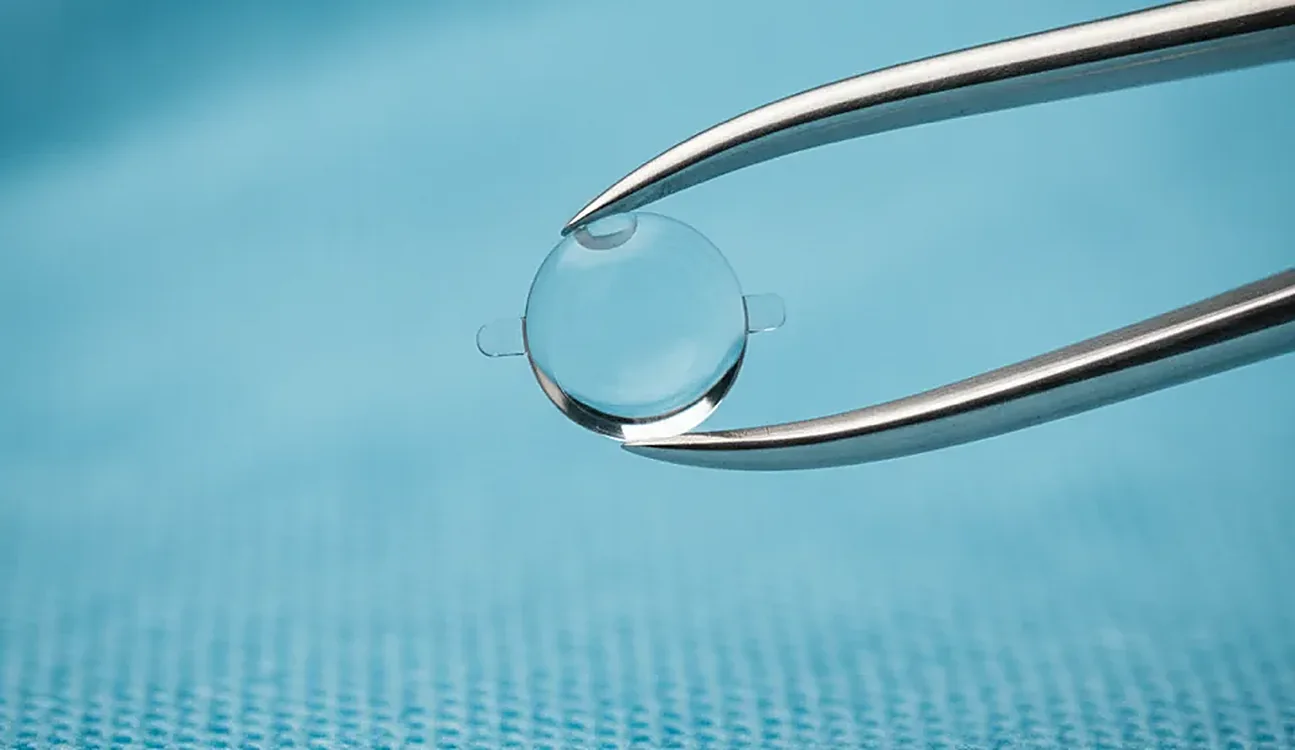
Cataract is a disease that occurs when the eye's natural lens loses its transparency. In modern refractive cataract surgery, intraocular lenses (monofocal, EDOF, trifocal, toric) are selected based on the patient's age, corneal structure, and visual needs.

Prof. Dr. Efekan Coşkunseven
Ophthalmology · Istanbul
{ AI · preliminary guidance }
onlineLet's talk about cataract and intraocular lens treatment

AI responses do not replace a medical diagnosis.
Quick Answer
In cataract surgery, the clouded natural lens is removed and replaced with an artificial intraocular lens (IOL). Monofocal, EDOF, trifocal, and toric lens options are evaluated based on the individual's visual needs and eye structure.
Contents3 sections
What Is Cataract?
Cataract is a condition in which the proteins of the eye’s lens break down, forming cloudy areas. Symptoms include blurred vision, light sensitivity, frequent changes in glasses prescription, and weakened night vision.
Causes of Cataract
Aging, diabetes, eye injuries, steroid medications, family history of the disease, inflammation in the eye, smoking, and exposure to UV rays are the main risk factors.
New-Generation Lens Technologies in Cataract Surgery
In modern refractive cataract surgery, intraocular lenses are selected based on the patient’s age, corneal structure, and visual needs. Monofocal, EDOF (extended depth of focus), trifocal, and toric designs are available. Which lens is suitable is determined by evaluating the structure of the eye and the patient’s visual expectations.
Prof. Dr. Efekan Coşkunseven has experience in cataract and intraocular lens surgery.
Last updated:
2 questions
Frequently Asked Questions
Short answers to the questions patients ask most about this treatment. Your personal situation is assessed during the examination.
Didn't find your question?
Send us your question directly and our team will get back to you.
-
01 Is a trifocal lens suitable for every patient?
No. A trifocal lens is considered for individuals with suitable corneal structure, a healthy retina, and realistic expectations.
-
02 Do intraocular lenses last a lifetime?
Yes, intraocular lenses are permanent implants. Blurring that can be seen over time is usually caused by thickening of the capsule behind the lens and can be resolved with a simple laser procedure.
Didn't find your question?
Send us your question directly and our team will get back to you.
Related topics
Treatments often evaluated together
-
Presbyopia (Age-Related Near Vision Loss) Treatment
Presbyopia is an age-related vision disorder that occurs in individuals over 40 when the eye's lens loses its flexibility. It presents with blurred near vision, eye strain, and headaches. Options ranging from glasses and lenses to laser and intraocular lens treatments are evaluated on a personalized basis.
-
Laser Refractive Surgery
Laser refractive surgery is a surgical treatment method based on reshaping the cornea with a laser to correct vision disorders such as myopia, hyperopia, and astigmatism. LASIK, iLASIK, PRK, and SMILE techniques are applied following a personalized evaluation.
-
Corneal Diseases
The cornea is the transparent, dome-shaped structure at the front of the eye. Corneal diseases encompass a variety of conditions affecting the cornea, including keratitis (inflammation), corneal dystrophies, and ectasias such as keratoconus. Early diagnosis and treatment are critical in halting disease progression.
Clinic




Book an Appointment
Your information reaches Prof. Dr. Efekan Coşkunseven's clinic. A response is made within 24 hours.