cornea
Corneal Diseases
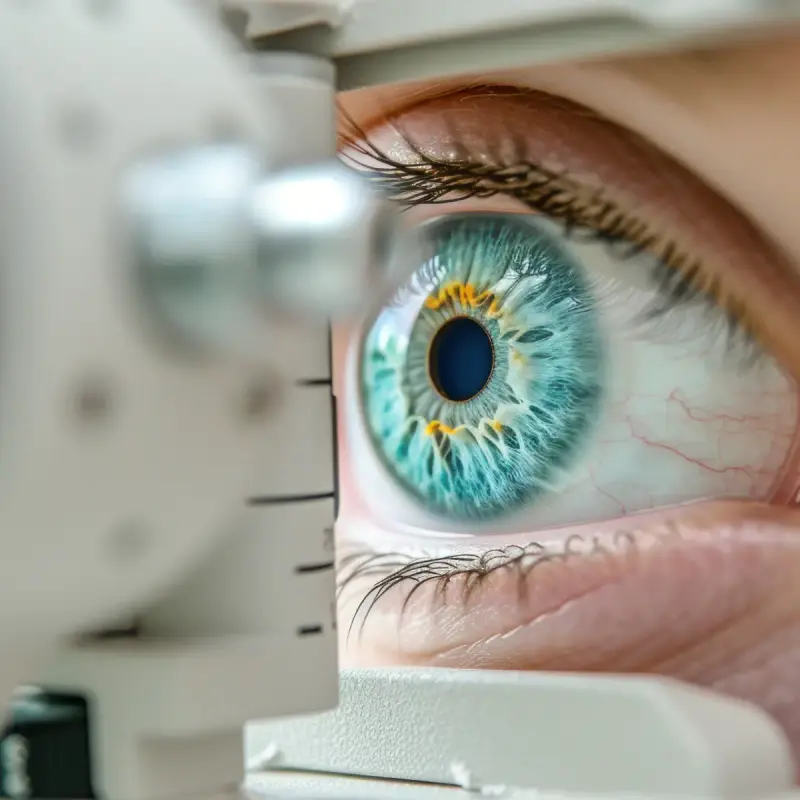
The cornea is the transparent, dome-shaped structure at the front of the eye. Corneal diseases encompass a variety of conditions affecting the cornea, including keratitis (inflammation), corneal dystrophies, and ectasias such as keratoconus. Early diagnosis and treatment are critical in halting disease progression.

Prof. Dr. Efekan Coşkunseven
Ophthalmology · Istanbul
{ AI · preliminary guidance }
onlineLet's talk about corneal diseases

AI responses do not replace a medical diagnosis.
Quick Answer
The term corneal diseases refers to inflammatory, dystrophic, and ectatic (such as keratoconus) conditions affecting the cornea, the transparent front layer of the eye. Treatment is provided with drops and lenses in the early stage, and with laser, corneal cross-linking, or corneal transplantation in advanced cases.
Contents3 sections
What Are Corneal Diseases?
The cornea is the transparent, dome-shaped structure at the front of the eye. The term “corneal disease” refers to a variety of conditions affecting the cornea. Early diagnosis and treatment are of critical importance in halting disease progression.
Main Types of Corneal Disease
Keratitis (Corneal Inflammation)
This occurs due to infectious or non-infectious causes. Symptoms include redness, pain, light sensitivity, and blurred vision.
Corneal Dystrophies
These are genetic disorders in which abnormal deposits appear in the layers of the cornea. Fuchs’ dystrophy is the most common type, and its advanced forms affect vision.
Corneal Ectasias
These change the shape of the cornea and cause it to thin. Keratoconus is the most common type in this group; it generally begins in adolescence and follows a progressive course.
Treatment Methods
Early-stage diseases can be treated with antibiotic or antiviral eye drops, glasses, and lenses. In advanced cases, laser treatment, corneal cross-linking (CXL), or corneal transplantation (keratoplasty) is applied. Early diagnosis and treatment are of great importance in halting disease progression.
Last updated:
2 questions
Frequently Asked Questions
Short answers to the questions patients ask most about this treatment. Your personal situation is assessed during the examination.
Didn't find your question?
Send us your question directly and our team will get back to you.
-
01 What are the symptoms of corneal disease?
Redness, pain, light sensitivity, and blurred vision may be seen in corneal inflammations (keratitis). In progressive ectasias (such as keratoconus), irregular astigmatism and fluctuating visual quality are prominent.
-
02 How are corneal diseases treated?
Early-stage diseases can be treated with antibiotic or antiviral eye drops, glasses, and lenses. In advanced cases, laser treatment, corneal cross-linking (CXL), or corneal transplantation (keratoplasty) is applied.
Didn't find your question?
Send us your question directly and our team will get back to you.
Related topics
Treatments often evaluated together
-
Keratoconus Treatment
Keratoconus is a progressive eye disease in which the cornea gradually thins and bulges forward into a cone shape over time. Early diagnosis and the choice of an appropriate method (crosslinking/CXL, CAIRS, and intracorneal ring segments) are critical for controlling the disease.
-
Dry Eye Treatments
Dry eye is the inability of the eye's surface to be adequately moistened with tears. Prolonged screen time, environmental factors, aging, and hormonal changes are the main causes. Options ranging from artificial tears to punctal plugs, thermal pulsation treatment, and IPL treatments are planned on a personalized basis.
-
Cataract – Intraocular Lens Treatments
Cataract is a disease that occurs when the eye's natural lens loses its transparency. In modern refractive cataract surgery, intraocular lenses (monofocal, EDOF, trifocal, toric) are selected based on the patient's age, corneal structure, and visual needs.
Clinic




Book an Appointment
Your information reaches Prof. Dr. Efekan Coşkunseven's clinic. A response is made within 24 hours.